
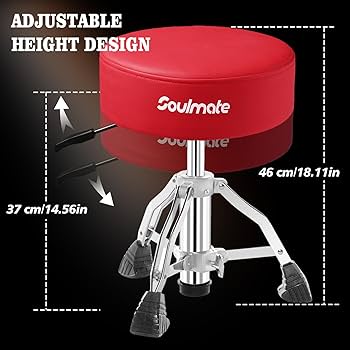
Drumming is an art that demands precision, endurance, and comfort. While much focus is often placed on drum kits and sticks, the role of the drum throne in enhancing performance is often overlooked. A thoughtfully designed drum throne can significantly affect how you play, your posture, and your overall experience as a drummer. Here’s a closer look at how drum throne design impacts your drumming performance.
1. Stability for Precision
A stable drum throne provides a firm foundation, enabling drummers to execute precise movements. Wobbly or poorly designed thrones can:
- Disrupt rhythm by causing unnecessary shifts in balance.
- Force drummers to compensate with their legs, leading to fatigue.
Modern drum thrones feature wide bases and reinforced legs to ensure stability, even during high-energy performances.
2. Ergonomics for Long Sessions
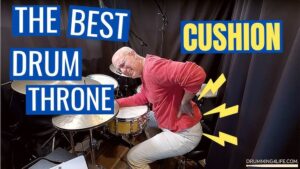
Ergonomic design is essential for reducing strain during long playing sessions. Features such as memory foam seats, saddle shapes, and lumbar support can:
- Prevent back pain and muscle fatigue.
- Promote better posture by aligning the spine naturally.
Ergonomically designed thrones allow drummers to focus on their performance without physical discomfort.
3. Height Adjustability for Optimal Reach
Proper height adjustment is crucial for accessing the drum kit comfortably. A throne set too high or too low can:
- Cause improper posture, leading to strain on the arms and shoulders.
- Affect pedal control due to awkward leg angles.
Hydraulic or threaded height adjustment mechanisms in modern thrones make it easy to find the perfect height for each drummer.
4. Swivel and Mobility for Dynamic Playing
Drummers often need to move seamlessly between different parts of the kit. A good drum throne with swivel functionality ensures:
- Smooth transitions without losing balance.
- Greater freedom to perform dynamic movements.
Mobility is particularly important for genres that demand rapid shifts and extensive kit use.
5. Cushioning for Comfort
Comfortable cushioning is essential for long gigs and practice sessions. Poor cushioning can:
- Lead to discomfort and fidgeting, which disrupts focus.
- Cause numbness or circulation issues during extended play.
Gel or memory foam padding is commonly used in premium drum thrones to provide lasting comfort.
6. Portability for Gigging Drummers
For drummers on the move, portability is a key consideration. Lightweight designs with foldable features make it easy to:
- Transport the throne to gigs or practice sessions.
- Set up quickly without compromising stability or durability.
Portable designs are particularly valuable for touring musicians.
7. Durability for Longevity
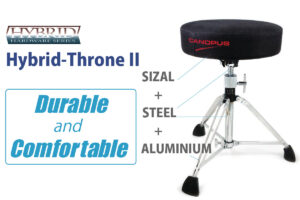
A drum throne must withstand the rigors of frequent use. High-quality materials like reinforced steel frames and durable upholstery ensure:
- The throne remains reliable over time.
- It can handle the physical demands of energetic performances.
Durable designs offer a better return on investment and peace of mind.
Conclusion
The design of your drum throne is far more than a matter of comfort; it directly influences your drumming performance. From stability and ergonomics to portability and durability, every aspect of a drum throne contributes to your ability to play at your best. Investing in a well-designed drum throne is not just an upgrade for your gear but an investment in your craft.
All Comments
I never thought a drum throne’s design could make such a big difference in performance! This article really breaks it down well—comfort and posture matter more than I realized.
Fantastic blog! I really appreciate the detailed breakdown of how drum throne design affects drumming performance. Stability, ergonomics, and cushioning are often overlooked but play a huge role in comfort and precision. The tips on height adjustability and portability are valuable for both beginners and gigging drummers. Well done!
Thanks a lot, i was really confused that which one will be best for me and here you helped me a lot in selecting my next drum throne. Really appreciated.
This was an eye-opening read! It’s incredible how much a well-designed drum throne can impact posture, endurance, and overall performance. Your breakdown of ergonomics and stability really highlights why choosing the right throne is just as important as selecting the right drum kit.
Nice & Informative!!
Nice & Informative!!